2026 Snowpack: 18 Percent of Average. The Reliability Math Just Got Worse.

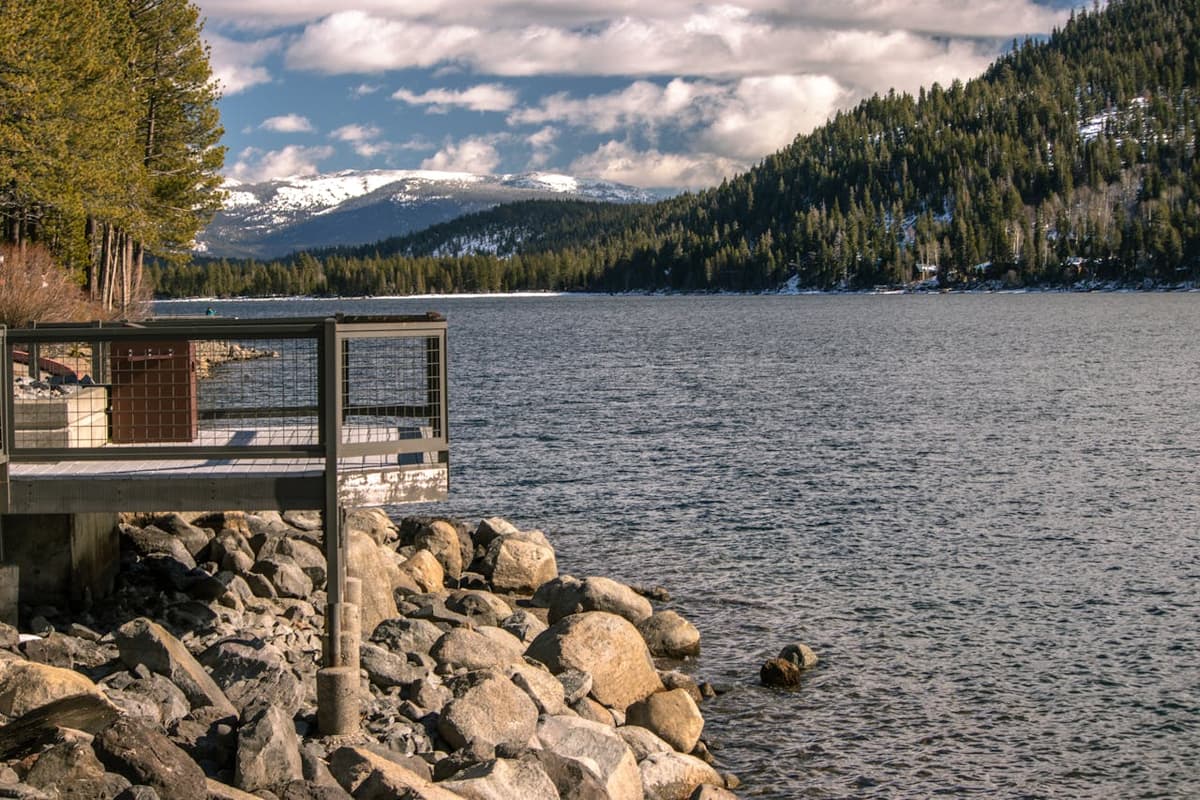
California's official April 1 snowpack measurement came in at 18 percent of average statewide, with state surveyors finding no measurable snow at Phillips Station near Lake Tahoe — the second lowest April reading on record at that site, surpassed only by 2015, when there was no snow visible at the survey location at all (California DWR news release).
The number that matters most for the Tri-Valley is the regional one: the Northern Sierra Nevada snowpack is at 6 percent of average. That is the watershed that feeds Lake Oroville, the State Water Project, and the South Bay Aqueduct that delivers most of Zone 7's imported supply.
This is not a forecast. It is the current data.
Why this number matters for Zone 7
I wrote earlier this month that DWR's own modeling expects the State Water Project to deliver only 54 percent of Zone 7's contractual allocation on a long-term average basis, declining to 43 to 48 percent by 2043. Those are the long-term averages. The 2026 snowpack is what an actual bad year inside that average looks like.
Statewide snowpack peaked on or near February 24 this year — significantly earlier than the typical April 1 peak — and a record-hot March melted what was left. Warm storms instead of cold ones meant high-elevation rain ran off rather than accumulating as snow that could be released later in the dry season.
That sequence of events — early peak, hot March, snow-to-rain shift at high elevation — is exactly the climate trajectory DWR's reliability modeling projects. We are now living inside it.
What the next Zone 7 board needs to plan for
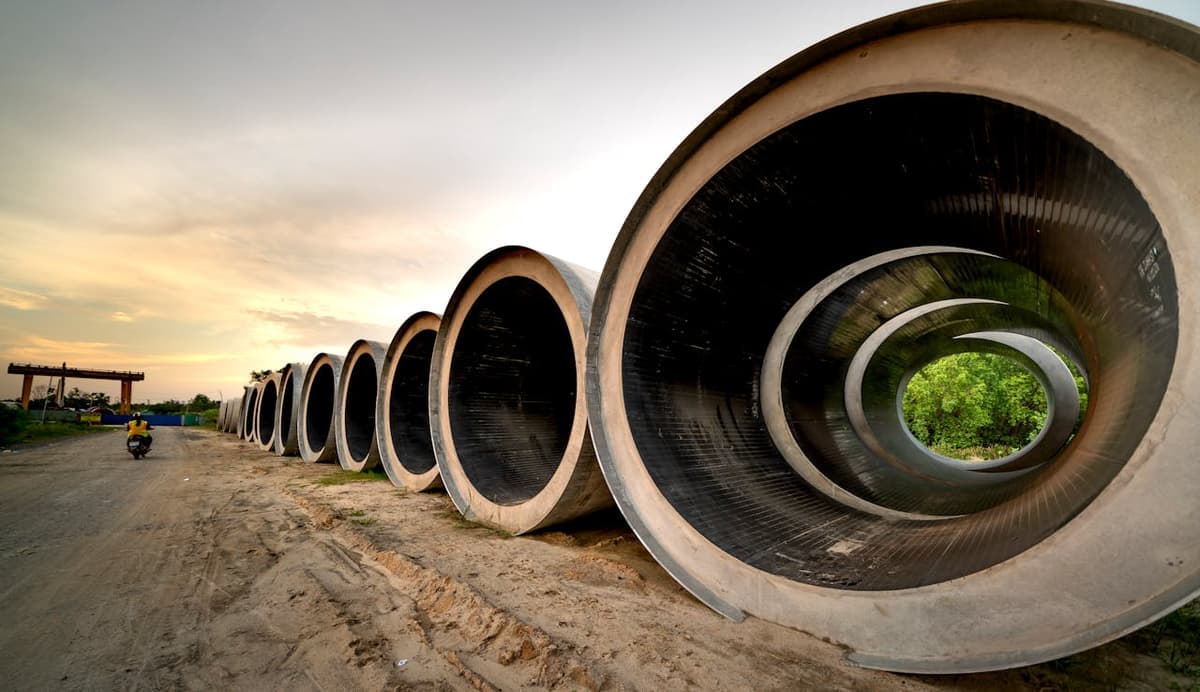
The local-supply strategy is no longer optional. The Mocho PFAS Treatment Plant, the Chain of Lakes Conveyance System, and the basin we already have are the backstop when the state system delivers half of what is on paper. Each year the state system underdelivers, the local-supply pieces have to carry more weight. That is what the $874.7 million Capital Improvement Plan is for.
Diversification beyond the Delta corridor matters every year, not just in dry ones. Zone 7's $208 million capital share of Sites Reservoir — a project north of the Delta that does not depend on Delta conveyance — earns its keep in a year like this one. So does every acre-foot of recharge captured locally through the Chain of Lakes system and the flood-control channels.
The case has not changed. The data has.
The reliability argument has been the same since I started this campaign: Zone 7 imports too much of its water through a single corridor, the corridor is structurally less reliable than its design contemplated, and local supply is the backstop. None of that is new this week.
What is new is that 2026's snowpack has now produced the kind of number that converts the reliability argument from a forecast into observed reality. The next board will manage Zone 7 through a decade where the 54 percent number is the optimistic case, not the worst case.
That is the math an engineer looks at and asks what the backup plan is. It is also the question I want to keep asking on Zone 7's board.