Our Water Supply Is Less Reliable Than You Think
Most Tri-Valley residents turn on the tap and the water comes out. That's Zone 7 doing its job. But the supply chain behind that tap is under more stress than most people realize.
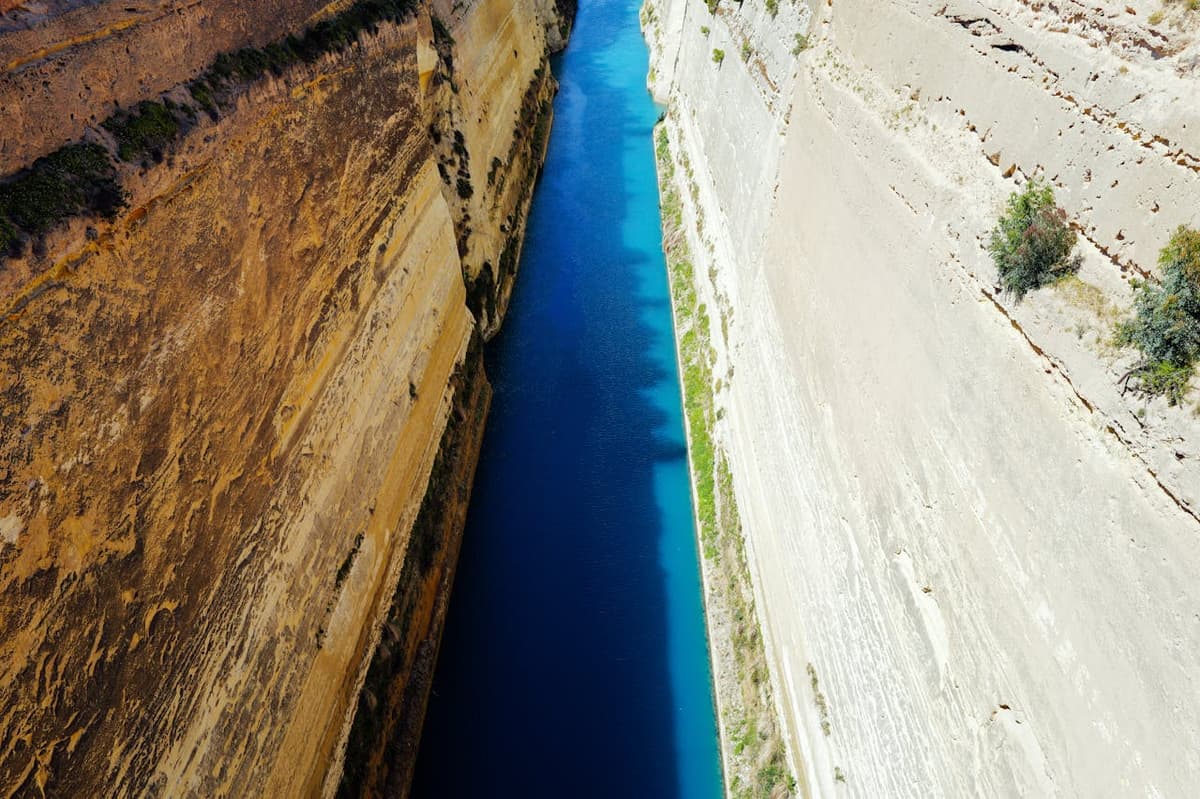
Zone 7 gets a significant share of its water from the State Water Project — water that originates in the Sacramento–San Joaquin Delta and is conveyed through DWR's system to the South Bay Aqueduct. The problem: DWR's own Draft 2025 Delivery Capability Report estimates that long-term average reliability is just 54% of Zone 7's contractual allocation under current conditions. And it's projected to decline to 43–48% by 2043 as climate change reduces snowpack and increases evaporation.
That means Zone 7 is planning for a future where it can count on less than half of the water it's entitled to from the state system.
Zone 7's team has been planning for exactly this scenario. And it makes the local supply strategy existentially important. The groundwater basin underneath the Tri-Valley, the reservoirs, and new regional sources are the backstop when the state system can't deliver.
Water Reliability is one of my three priorities because this math only works if we invest deliberately in local supply. The aquifer, Chain of Lakes, regional partnerships like Sites Reservoir — these aren't nice-to-haves. They're the infrastructure that keeps the tap running when state deliveries fall short.
An engineer looks at a system running at 54% reliability and asks what the backup plan is. That's the question I want to keep asking on Zone 7's board.