Zone 7 Adopts $875 Million Capital Plan
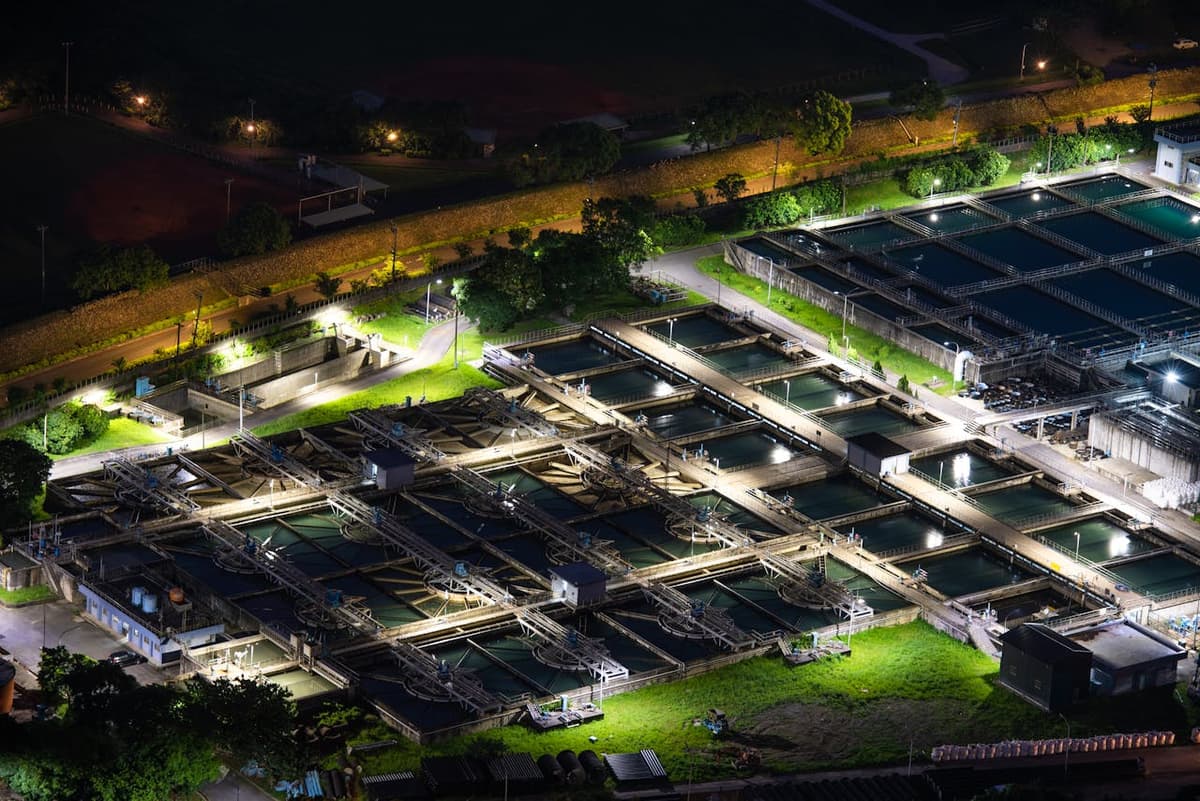
Last night I attended the Zone 7 Board of Directors meeting as the board adopted its ten-year Capital Improvement Plan. This is the roadmap for nearly $875 million in water infrastructure investment across the Tri-Valley through 2036 — and it shapes what Zone 7 looks like for a generation.
Here's what stood out.
The headline numbers
- $874.7 million over ten years, spread across 50 projects
- 53% goes to expansion ($466M) — building new capacity
- 30% goes to system-wide improvements ($258M) — making what we have work better
- 17% goes to renewal and replacement ($150M) — keeping existing infrastructure functional
- 61% of total spending is on Water Supply and Conveyance — the pipes, pumps, and treatment that move water from source to tap
The big four
Four projects define Zone 7's infrastructure trajectory for the next decade and beyond:
Chain of Lakes Conveyance System — $356.5 million. A 6.5-mile, 42-inch pipeline connecting Lake I to Del Valle Water Treatment Plant and the South Bay Aqueduct. This unlocks roughly 36,400 acre-feet of local storage capacity. It's the single largest investment in Zone 7's local water supply and the centerpiece of the plan. Financed via bonds at about $17 million per year in debt service.
Mocho PFAS Treatment Plant — $54.4 million. Zone 7's third PFAS treatment facility, targeting a 2028 completion. Staff is pursuing a $25 million grant to offset costs. This is the next step in Zone 7's aggressive PFAS response.
Sites Reservoir — $208 million (capital) / $553 million total over 46 years. Zone 7 is one of 24 agencies participating in this new reservoir north of the Sacramento–San Joaquin Delta. Construction decision expected this year, operational by 2034. This is a new water source that does not depend on Delta conveyance.
Delta Conveyance Project — $443 million (Zone 7's share). This is the biggest number and the most complex question. Zone 7's estimated share is based on DWR's 2023 cost estimate and has not been adjusted for inflation. The total project cost is now over $20 billion, with an operational target of 2045. The board hasn't made a construction participation decision yet. Notably, this cost sits outside the CIP — it's billed through DWR's Statement of Charges, not Zone 7's capital funds.
What I took away
The CIP shows an agency that takes its infrastructure obligations seriously. Fifty projects across ten years is a real commitment.
Two things I'll be watching closely as a candidate — and if elected, as a board member:
The rate pressure. This plan shifted $209 million from developer-funded projects into ratepayer-funded accounts compared to the previous CIP. Add the $17 million per year in new debt service for Chain of Lakes, and the math starts to stack up. Staff indicated this will be part of upcoming rate discussions. Ratepayers deserve to see that math early and clearly.
The Delta question. The $443 million for DCP is excluded from the CIP's own budget — billed separately through state channels. But it's the single largest financial commitment Zone 7 faces. The board hasn't committed to construction yet, and I think that decision deserves the same rigorous, numbers-first approach the agency applies to every other project in this plan.
I left the meeting more convinced than when I walked in: the next four years on Zone 7's board will be defined by how well the directors manage this capital program, hold the rate line, and make the hardest infrastructure decisions the Tri-Valley has faced in decades. I want to be part of that.