Groundwater: The Aquifer Under Our Feet
Underneath the Tri-Valley sits a groundwater basin with a maximum storage capacity of 254,000 acre-feet. It's one of Zone 7's most important infrastructure assets — and it's under pressure.
PFAS contamination has taken roughly 16 million gallons per day of groundwater production offline. That's about 40% of Zone 7's total groundwater capacity — wells that can't be used until the water is treated. And 80% of Zone 7's wells are concentrated in a single subbasin (Amador West), which means the system doesn't have much geographic redundancy.
The usable storage above minimum operational thresholds is about 126,000 acre-feet. That's the buffer between normal operations and a drought emergency.
The Regional Groundwater Development project
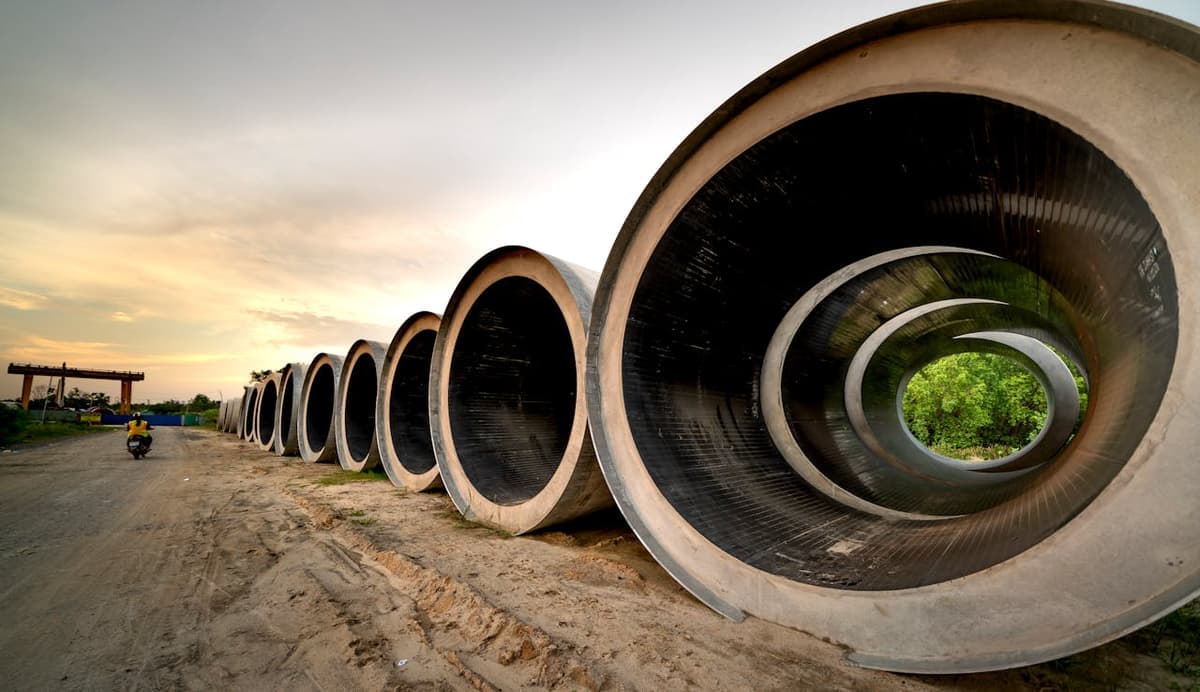
Zone 7's Capital Improvement Plan includes $37.5 million for Regional Groundwater Development, with an in-service target of 2029. This project expands the well network, adds production capacity, and helps diversify the geographic concentration in Amador West.
Combined with the PFAS treatment buildout (three facilities, with the Mocho plant at $54.4 million targeting 2028), the strategy is to restore the groundwater capacity that PFAS took offline and build new capacity on top of it.
Why this matters
In a year when the State Water Project delivers less than half of Zone 7's allocation — which is the projected long-term average — the groundwater basin is what stands between the Tri-Valley and a serious supply shortfall. The aquifer is not a backup system. It's a primary supply source that needs active management, investment, and protection.
Water Reliability starts here, under our feet. The board that oversees this basin for the next four years needs directors who understand infrastructure systems and who will hold the line on the investments that keep this resource viable.