Zone 7 Water Resources Committee: Environmental Permitting and Stewardship
The Zone 7 Water Resources Committee met on October 27, 2026. Committee members Sarah Palmer, Sandy Figuers, and Laurene Green attended. The single agenda item was an overview of the agency's Environmental Compliance, Planning, and Stewardship Program. It was informational, and no action was taken.
Senior Planner Elke Rank presented. She described the program as covering three areas.
Compliance
Environmental review. The California Environmental Quality Act requires public agencies to evaluate the environmental effects of their projects. Depending on the project, that can mean a notice of exemption, an initial study and mitigated negative declaration, or a full environmental impact report. Zone 7 typically processes five to ten exemptions a year. The most recent initial study and mitigated negative declaration was for the Mocho PFAS Treatment Plant.
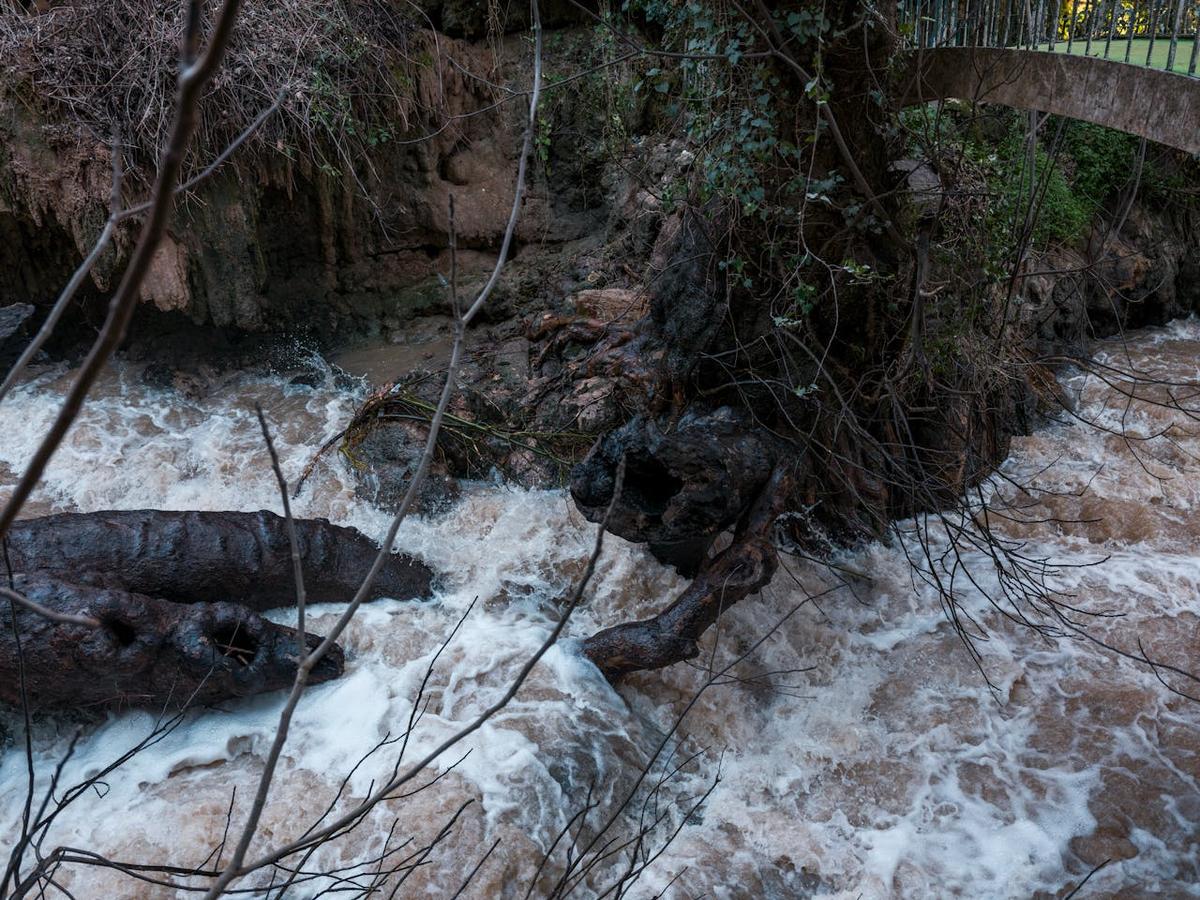
Permits for channel work. Work in and around flood control channels is overseen by the California Department of Fish and Wildlife, the Regional Water Quality Control Board, and the U.S. Army Corps of Engineers. Permits often require biological and cultural resource surveys, construction monitoring, and environmental training.
Seasonal limits. Channel maintenance and construction are restricted at certain times of year to protect nesting birds. Restrictions related to steelhead trout now apply as well.
Current workload. Rank said the agency is managing an unusually high volume of permitting tied to damage from the 2022-2023 winter storms. Other efforts include permits for the Alamo Creek Pilot Project and sediment removal projects, and development of programmatic permits to make routine maintenance easier.
Planning
Permits often require mitigation, such as riparian tree planting along flood control channels, with maintenance, monitoring, and reporting commitments that run from five to fifteen years. Staff works with engineering and maintenance crews to find planting locations that provide environmental benefit without interfering with flood control operations.
Stewardship
Rank highlighted three activities:
- Annual residual dry matter monitoring at the agency's Lake Del Valle property.
- Participation in the Living Arroyos program.
- Leadership of the Alameda Creek Watershed Fisheries Restoration Workgroup.
She noted recent fish passage improvements in the Alameda Creek watershed, including the Alameda County Water District fish ladder and removal of a pipeline barrier in Sunol Valley. Steelhead trout and Chinook salmon have since been documented in areas that were previously blocked.
Committee discussion
- Why requirements change. Director Green asked what drives changing permit requirements. Rank cited changes in federal and state regulations, differences in how regional regulators interpret them, and individual permitting practices. She said the San Francisco Bay Regional Water Quality Control Board generally applies more stringent standards than some other regional boards.
- Steelhead restrictions in dry years. Director Palmer asked whether the steelhead restrictions apply when channels hold little or no water. Rank said the restrictions are new to Zone 7 following the fish passage improvements, and that more monitoring and coordination with regulators may show whether flexibility is appropriate.
- The October 15 deadline. Asked about extensions to the October 15 channel work deadline, Rank said extensions are sometimes granted through the end of October, generally to finish work already underway rather than to start new projects.
- Litigation. Asked about environmental review litigation, Rank said Zone 7's projects generally draw relatively few public comments and that litigation has not been a significant concern for the agency.
Rank closed by saying that permitting has become increasingly complex, and that strong technical justification for projects, coordination among agency divisions, and qualified consultants are essential to getting through the process.
The meeting ran from 3:11 p.m. to 3:52 p.m. There was no public comment.
Source: Water Resources Committee agenda packet of October 27, 2026 and the committee's summary notes, published in the November 18, 2026 board packet.