Zone 7 Finance Committee: A New Approach to Untreated Water Rates
The Zone 7 Finance Committee met on September 24, 2026. All three committee members attended: Directors Kathy Narum and Alan Burnham, and me. The committee made a recommendation on untreated water rates and forwarded the year-end financial report to the full board.
The untreated water rate study
Financial Analyst Lizzie Foss presented the Untreated Water Rate Study and preliminary rates for calendar years 2027 through 2030.
The current method. Rates are set every year from projected costs and deliveries, and the difference between projections and actual costs is trued up through an annual reconciliation. Staff said this produces volatile rates and a timing mismatch, because water supply costs make up about 80% of the untreated rate and the reconciliation runs about two years behind. The reconciliation balance reached zero as of calendar year 2025, three years earlier than planned.
The proposed method. Multi-year rates supported by a rate stabilization reserve, with three levels:
- Minimum: 60 days of current-year operating costs.
- Target: the two-year average program deficit from the most recent drought.
- Maximum: the four-year average of estimated untreated water rate revenue.
Assumptions. The financial plan assumes annual deliveries of 5,000 acre-feet of untreated water. The untreated rate has three parts: water supply costs (about 80%), water service costs (about 12%), and agency overhead (about 8%).
Staff's initial recommendation. A 7% adjustment in each of four years, which would have set a 2027 rate of $273 per acre-foot and built the reserve to at least the minimum level by fiscal year 2029-30.
Committee discussion
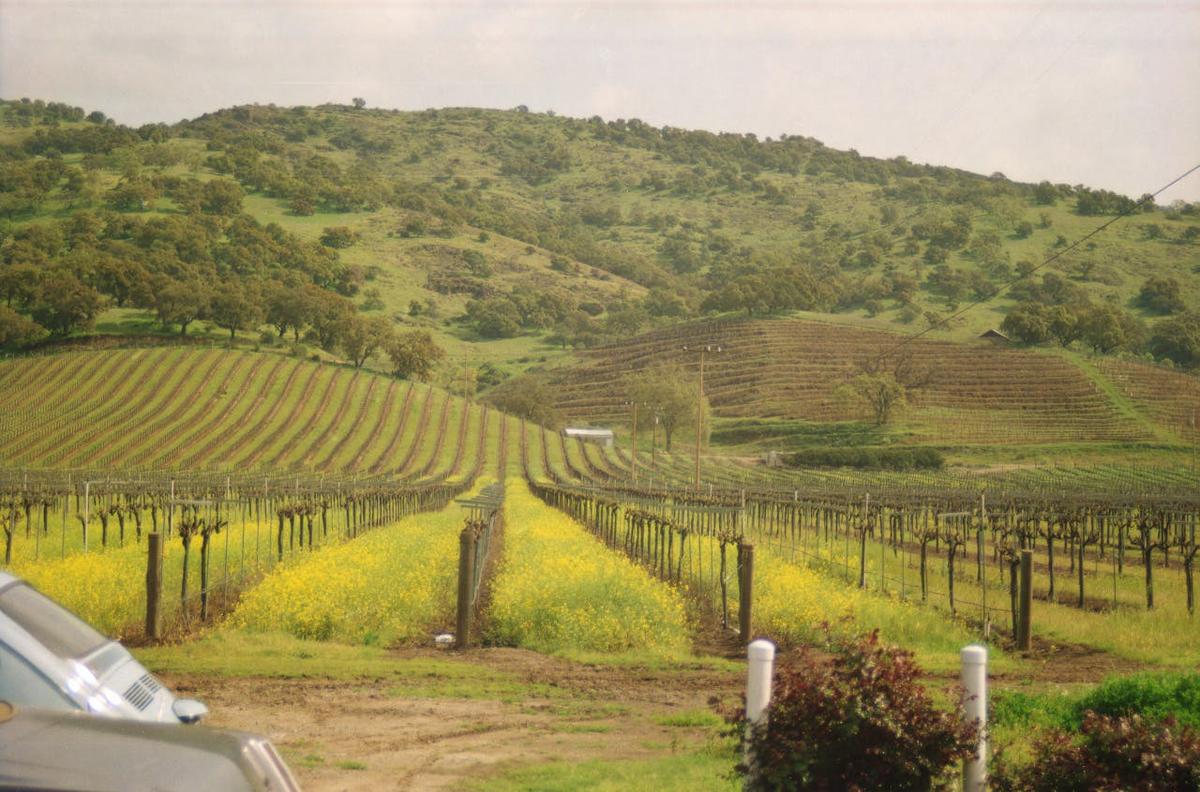
- Director Narum asked about declining vineyard acreage and the possibility that deliveries fall below 5,000 acre-feet a year. Staff said reduced deliveries would affect cost allocations and would be picked up in future reviews using actual costs and sales.
- Director Narum also asked why untreated rates would rise 7% when treated rates were proposed at 4.5%. Staff said the treated water program entered its rate cycle with fully funded reserves, while the untreated program is establishing a reserve for the first time.
- Three members of the public commented on the proposed rates, reserve levels, and projected water supply costs.
- General Manager Valerie Pryor clarified that Delta Conveyance Project payments are contractual, and that projected Sites Reservoir costs were included beginning in fiscal year 2028-29 to avoid a significant rate adjustment if the board elects to continue participation.
The recommendation
Director Narum suggested lowering the first-year adjustment from 7% to 6%, keeping 7% for the remaining three years, and reviewing the program after one year rather than two. The committee discussed the benefit to untreated water customers alongside the risk that an unfavorable water year could require a larger adjustment later.
The committee agreed that any additional revenue would go to the rate stabilization reserve rather than be treated as a reconciliation credit, and that the proposed reserve targets would stay as presented.
The committee voted unanimously to recommend a four-year rate cycle with a 6% adjustment in the first year, 7% in each of the following three years, and a review after the first year. The recommendation goes to the full board for a decision.
Year-end financial report
Financial Analyst JaVia Green presented the unaudited fourth quarter report for fiscal year 2025-26. Audited results are due in December.
- Water operations (Fund 100) ended the year with an unaudited balance of about $47.2 million. Expenses were about $6.7 million under budget, mainly because of lower water supply costs. Revenue included about $1.5 million from a water transfer to the Westside water districts.
- Water renewal and replacement (Fund 120) ended at about $104 million, reflecting projects still in planning and design and higher-than-budgeted settlement and grant revenue.
- Flood protection operations (Fund 200) ended at about $36 million. Spending was under budget mainly because permitting delays shifted 2023 storm repair work into later fiscal years.
- Unaudited reserve balances comply with the agency's reserve policy.
In response to a question from Director Burnham about the flood development impact fee of about $1 per square foot of impervious surface, Pryor said the fee was set nearly ten years ago and that the agency intends to conduct a new fee study after the Flood Management Plan and a capital improvement program are adopted.
The committee voted unanimously to forward the report to the board. The meeting ran from 3:00 p.m. to 4:45 p.m.
Source: Finance Committee agenda packet of September 24, 2026 and the committee's summary notes, published in the October 21, 2026 board packet.