Pleasanton and Zone 7 Pool Their Wells: $27 Million Instead of $65 Million
On April 21, 2026, the Pleasanton City Council voted unanimously to move forward with a Joint Groundwater Supply Project with Zone 7 Water Agency (City of Pleasanton announcement). The project's working cost estimate is approximately $27 million, compared to roughly $65 million in today's dollars to rehabilitate Pleasanton's three existing wells and build separate PFAS treatment for them.
That is a $38 million spread on a single capital decision. It deserves the attention that ratepayers, the City Council, and the Zone 7 board are giving it.
The problem the project solves
Pleasanton's three municipal groundwater wells were taken offline in 2022 after PFAS detections crossed the threshold for safe operation. Since then, Pleasanton has imported essentially 100 percent of its water from Zone 7, the wholesaler. That is the most exposed retail position in the Tri-Valley. Every Zone 7 rate adjustment lands on a Pleasanton bill at full strength.
The October 2025 rate restructuring made that exposure explicit by recovering 100 percent of Zone 7's fixed costs as a fixed pass-through charge on every Pleasanton water bill (Pleasanton Weekly, October 2025). Restoring even a partial local supply directly reduces that exposure for Pleasanton ratepayers.
Why pooling beats going it alone
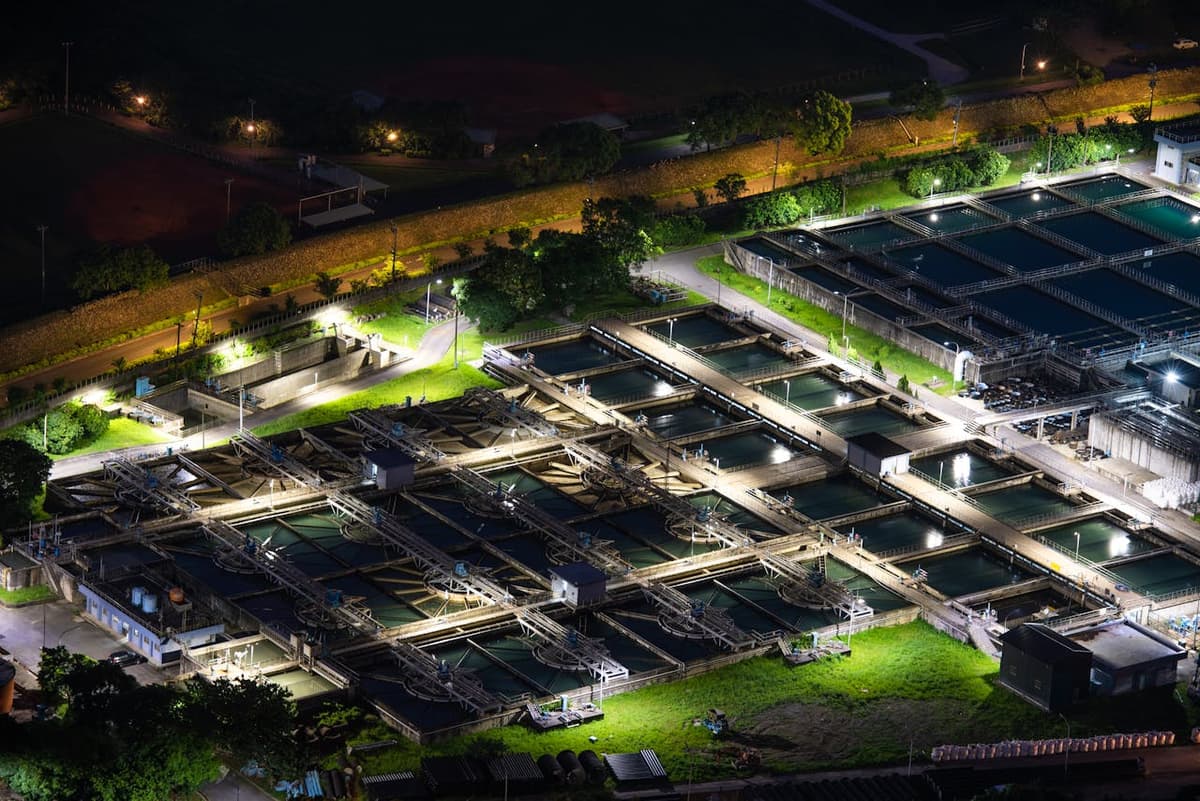
A joint feasibility study completed in December 2025 evaluated new groundwater wells in the Bernal Subbasin and identified Tennis Park and Hansen Park as feasible locations capable of producing sufficient supply while maintaining water quality and long-term basin sustainability. The Joint Groundwater Supply Project shares treatment infrastructure between the city and Zone 7 rather than each agency building its own. A shared facility serving roughly the same volume of water costs less per acre-foot than two facilities sized for the same purpose.
The capital-allocation principle here is the one I have argued the Zone 7 board needs to apply more often. When two public agencies serve overlapping populations and face overlapping infrastructure needs, the default question should be: can we do this once instead of twice? When the answer is yes and the savings are this large, the next question is how soon we can break ground.
Pleasanton chose the pooled option. That is a good board-level decision.
What this means for Zone 7
Restoring local supply reduces import dependence. Every acre-foot of Pleasanton groundwater that comes back online is an acre-foot Zone 7 does not have to deliver from the State Water Project. With statewide snowpack at 18 percent of average and the Northern Sierra at 6 percent (California DWR, April 2026), every restored local source matters.
This is a model for the rest of the Tri-Valley. Dublin San Ramon Services District, Cal Water, and Livermore Municipal Water each have their own infrastructure obligations and their own ratepayer base. Zone 7 sits in the middle of all of them. Where shared facilities are technically feasible and cost-justified, the next board should be looking for them — not waiting for retailers to surface them on their own.
It tracks with the Capital Improvement Plan adopted on April 15. Zone 7's $874.7 million ten-year plan treats local supply restoration as a strategic priority — the Mocho PFAS Treatment Plant ($54.4 million) and the Chain of Lakes Conveyance System ($356.5 million) are both built around the same logic. The Joint Groundwater Supply Project is a smaller, complementary version of the same thinking, on a faster timeline, in a more exposed retail service area.
What I am watching next
The construction and commissioning timeline first. A $27 million project gets to ratepayer relief faster than a $65 million project, but only if it stays on schedule. Both agencies should publish milestones the public can hold them to.
Then the cost-allocation agreement between Pleasanton and Zone 7. A shared facility produces real savings — and also real questions about who pays what share, who owns the asset, and how operating costs are split when both agencies' rate structures shift over the next decade. Those terms deserve daylight before they are signed.
The agencies that serve the Tri-Valley are interconnected enough that pooled capital projects should be the rule, not the exception, where the engineering and the cost both pencil out. Pleasanton just demonstrated what that looks like.